

Walk down any pet store aisle and you’ll be find a plethora bags, cans, and pouches, all promising to be the best food for your dog. Add in internet advice, social media trends, and well-meaning friends, and suddenly feeding your dog feels more like navigating a minefield than sorting out mealtime. Unfortunately, dog nutrition myths are everywhere, and falling for them can harm your dog’s health. At Mountain Aire Veterinary Hospital, your Frazier Park, CA animal hospital, we guide families through safe dog nutrition facts, help them sort through common dog diet myths, and explain the best food for dogs explained with science, not marketing hype.
Myth 1: Dogs should eat like wolves
It’s a popular idea: because dogs descended from wolves, their diets should be meat-only. But domestic dogs evolved alongside humans for thousands of years. Their digestive systems have adapted to handle starches, vegetables, and a wide variety of foods. Also, wild animals absorb other nutrients via their prey. Unlike wolves, most dogs thrive on balanced diets that include protein, fat, carbohydrates, vitamins, and minerals. Eliminating entire food groups can create dangerous nutrient deficiencies.
Myth 2: Grain-free is always healthier
One of the most persistent common dog diet myths is that grains are harmful. In reality, grains like rice, oats, and barley provide valuable energy and fiber for many dogs. In fact, recent studies suggest some grain-free diets may be linked to heart disease in dogs. Choosing “grain-free” without a medical reason may put your pet at risk rather than helping them.
Myth 3: By-products are bad
The term “by-product” sounds negative, but it simply refers to nutritious parts of animals not commonly eaten by humans—organs like liver, heart, and lungs. These are rich in protein, vitamins, and minerals. Quality by-products in pet food are not always fillers; sometimes, they’re nutrient-dense ingredients. However, poor by-products offer little nutritional value, and can even be harmful. Ask your vet for more information.
Your pet’s nutritional needs will change over time. PetMD has a helpful piece about feeding a senior dog, which you can read here. The Association Of American Feed Control Officials (AAFCO) has some great information on their website about feeding Fido.
Myth 4: Homemade diets are safer
Cooking for your dog seems wholesome, but without careful formulation, homemade diets often lack essential nutrients and/or specific vitamins. Long-term deficiencies can cause bone disease, heart problems, or organ failure. Homemade diets can be safe, but only if designed by a veterinary nutritionist.
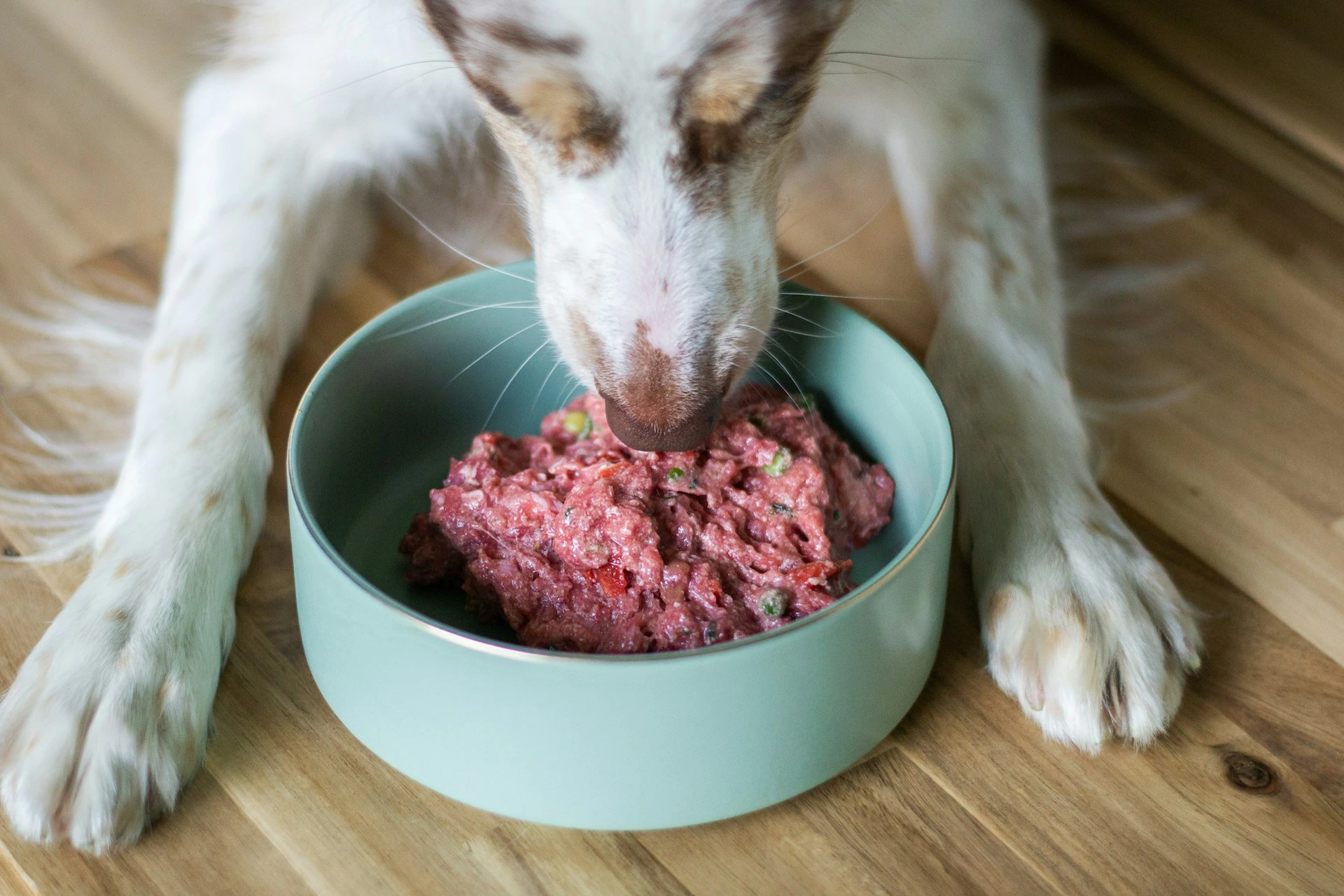
Myth 5: Dogs need raw food to be healthy
Raw diets have gained popularity, but they come with significant risks. Raw meat can carry harmful bacteria like Salmonella and E. coli, which endanger both dogs and humans in the household. Bones can fracture teeth or puncture intestines. Some dogs do well on carefully balanced raw diets, but for many, the risks outweigh the benefits. If you’re interested in raw feeding, consult a veterinarian for safe practices.
Myth 6: Table scraps are harmless if small
It’s tempting to share a bite of your dinner, but human foods often contain ingredients toxic to dogs—onions, garlic, grapes, chocolate, xylitol, and excess fat are common offenders. Even safe foods like chicken or cheese can cause stomach upset or weight gain if fed in excess. Sticking to dog-formulated treats keeps your pet safe.
Table scraps can also go a long way toward making your canine pal obese, which is bad for his health. Click here for our blog on doggy obesity.
Safe dog nutrition facts you can trust
Dogs need protein for muscles, fat for energy, carbohydrates for fuel and fiber, and balanced vitamins and minerals for overall health. The best food for dogs is one that meets AAFCO (Association of American Feed Control Officials) standards, is appropriate for your dog’s life stage, and fits their unique health needs. Puppies, adults, and seniors all require different nutrient balances. Breed size, activity level, and medical conditions also influence the right diet.
Frazier Park considerations
Dogs living in mountain communities like Frazier Park may be more active outdoors, burning extra calories. Cold winters may increase energy needs for some, while hot summers require careful hydration. Outdoor-loving dogs also risk scavenging wildlife remains or unsafe human foods, making consistent, balanced diets even more important.
Feed Your Dog Smarter: Call Us Today
Don’t let dog nutrition myths put your pet at risk. At Mountain Aire Veterinary Hospital, your Frazier Park, CA animal hospital, we’ll help you sort through common dog diet myths, guide you toward safe dog nutrition facts, and explain the best food for dogs explained for your individual pet. Call us today to schedule a nutrition consultation and give your dog the healthiest meals possible.
FAQ
Are grain-free diets always bad? Not always, but they should only be used when a true allergy is diagnosed.
How do I know if food is complete and balanced? Look for the AAFCO statement on the label.
Can I mix wet and dry food? Yes, combining both can improve hydration and palatability.
Do senior dogs need special food? Often yes—senior diets help manage weight, joints, and organ health.
Visit our Frazier Park, CA pet clinic for dog nutrition myths guidance
Confusing trends can harm your pet’s health. At Mountain Aire Veterinary Hospital, we’ll debunk dog nutrition myths and share safe feeding advice. Schedule your nutrition consult today at our Frazier Park, CA animal hospital.
Visit our Service page here for more information on our pet clinic and the animals we treat.
Disclaimer: This blog is for educational purposes only and not a substitute for professional veterinary advice.